
UAE Exit from OPEC
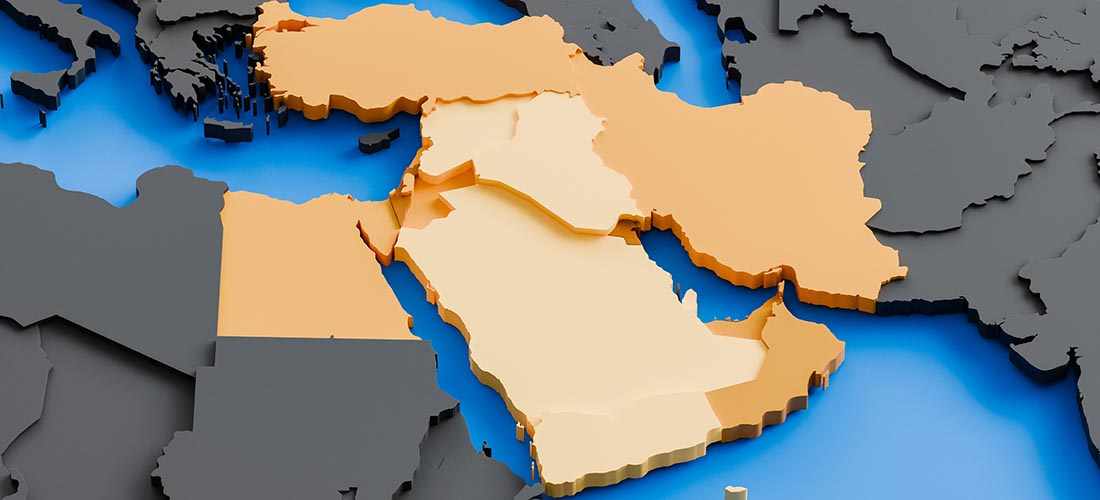
The United Arab Emirates officially exited OPEC and OPEC+ on 1 May 2026, raising uncertainty around future global oil supply coordination. The move reflected growing strategic differences within the group and concerns that production quotas were limiting the UAE’s planned capacity expansion. Markets viewed the exit as another source of volatility for energy prices amid ongoing Middle East tensions.
Energy Shock from Middle East Tensions Drives Inflation Again
Middle East tensions remained the dominant macro driver through May, particularly around the Strait of Hormuz. Brent crude briefly rose above $120 per barrel amid fears of supply disruptions, increasing pressure on transport costs and inflation expectations.
Recent reports suggest the United States and Iran are exploring a temporary agreement aimed at stabilising regional shipping routes. While oil prices eased from recent highs on hopes of reduced conflict, negotiations remain fragile and unresolved.
Central banks maintained a cautious stance during the period. The Federal Reserve held interest rates at 3.5%–3.75% on 29 April and signalled that inflation remained a key concern, while both the ECB and Bank of England kept rates unchanged but warned that renewed energy-driven price pressures could delay future rate cuts. Eurozone inflation also moved back toward 3% during the period, largely driven by higher energy costs, reinforcing concerns that inflation could remain elevated for longer.
If you’d like to talk to us about this, or any other aspect of your investments, please setup an online meeting or contact us directly.